Blog
A Digital Solution to Museum Security Risks
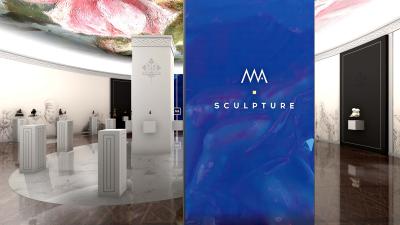
The preservation and exhibition of cultural artifacts face significant challenges, including theft, degradation, and logistical risks associated with transportation and handling. Traditional museums implement rigorous security measures to protect their collections; however, recent incidents, such as the theft of Dacian treasures from the Drents Museum in the Netherlands, highlight the persistent vulnerabilities of physical institutions. These challenges necessitate the adoption of innovative solutions that ensure both the security and accessibility of cultural heritage. The integration of digital preservation technologies alongside conventional museum practices offers a comprehensive approach to safeguarding artifacts while enhancing public engagement.
The META(art) platform by Art-Lab represents a significant advancement in museum technology, providing a secure digital environment where cultural artifacts can be preserved, exhibited, and studied without exposure to physical risks. Unlike traditional museum displays, where objects remain susceptible to theft or accidental damage, digital representations within META(art) are protected against unauthorized access. Digital rights management ensures that access remains restricted to designated institutions and researchers, guaranteeing that artifacts remain under the control of their rightful owners.
Despite the growing importance of digital preservation, physical artifacts continue to be protected through state-of-the-art security systems, environmental controls, and conservation techniques. Museums employ advanced surveillance, climate-controlled storage, and specialized restoration methods to maintain the integrity of their collections. The development of hybrid exhibition models, in which physical artifacts are displayed alongside their digital counterparts, enhances security by reducing the frequency of transportation and minimizing direct handling. By integrating digital documentation and virtual replicas, institutions can provide broader access to cultural heritage while ensuring that original objects remain secure in controlled environments.
A key advantage of the META(art) platform is its ability to eliminate the risks associated with transporting valuable artifacts between institutions. Loaning objects for temporary exhibitions requires extensive security protocols, insurance policies, and handling precautions to mitigate potential loss or damage. Digital exhibitions allow museums to share their collections globally without the need for physical movement, reducing costs and eliminating exposure to theft or deterioration. This approach is particularly beneficial for fragile artifacts, which may be too delicate for frequent transport or direct public display.
The application of high-resolution 3D scanning and artificial intelligence-driven reconstruction further enhances digital preservation efforts. Detailed scans capture the textures, inscriptions, and structural features of artifacts with exceptional accuracy, allowing researchers and the public to examine them in ways that are often not possible in traditional museum settings. AI-powered restoration techniques contribute to the study and preservation of historical objects, reconstructing missing or damaged sections based on historical data. These tools support ongoing research while ensuring that cultural heritage remains accessible to future generations.
One of the most significant advantages of META(art) is its ease of accessibility. The platform does not require specialized hardware, software installations, or complex virtual reality setups. It is accessible directly through a web browser, allowing museums, researchers, and the general public to explore exhibitions effortlessly. This browser-based approach ensures that cultural institutions can rapidly adopt digital preservation without the need for extensive technological infrastructure. By making the platform universally accessible, META(art) removes barriers to engagement and democratizes access to historical artifacts.
Virtual museums provide an opportunity for global accessibility, allowing audiences worldwide to explore curated collections, interact with historical artifacts, and engage in expert-led discussions. The integration of augmented and virtual reality further enhances the immersive experience, providing users with a sense of presence within historical environments. These digital initiatives complement physical museum experiences, allowing institutions to reach wider audiences while maintaining the security of their physical collections.
Economic considerations also play a crucial role in the adoption of digital preservation technologies. Traditional museums invest heavily in security measures, insurance policies, and conservation efforts to protect their collections. By incorporating digital exhibitions, institutions can generate additional revenue streams while reducing operational costs. Licensing agreements and virtual exhibitions enable museums to expand their reach without compromising the safety of physical artifacts, ensuring long-term financial sustainability.
The evolution of museum curation toward a hybrid model, combining secure physical storage with advanced digital preservation, represents the future of cultural heritage management. The META(art) platform provides an innovative solution that enhances security, accessibility, and research opportunities while complementing traditional museum practices. By integrating digital and physical preservation methods, institutions can ensure that cultural artifacts remain protected from theft, deterioration, and loss, securing their legacy for future generations. The simplicity of browser-based access ensures that museums, scholars, and the public can engage with these collections effortlessly, reinforcing the role of digital preservation in securing cultural heritage in an increasingly digital world.