Blog
The Metaverse and Cultural Heritage
 Virtual reality alone cannot solve the challenges facing museums in the digital age. Accessibility, emotional engagement, and global reach require a different approach — one that combines immersive experiences with universal accessibility. Based on fifteen years of experience creating virtual museums and cultural installations, we explore why interactive streaming, digital twins, and browser-based technologies offer a far more powerful and inclusive future than traditional VR. Discover how the digital museum can truly come to life for everyone.
Slow Art - A New Way to Experience Masterpieces
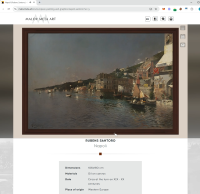 Today’s museums are rethinking how we engage with art. From MoMA to the Louvre, initiatives like slow-looking sessions invite visitors to spend real time with each work. Research shows that slow viewing deepens emotions, improves memory, and enhances critical thinking. Now, imagine this experience at home — through a browser-based virtual museum where you control the pace, the focus, and the feeling. Great art deserves more than a glance. It deserves your full attention.
When Museums Become Adventures
 Museums around the world are transforming. They’re no longer just about observation — they’re about participation, emotion, and immersion. From spy missions to time-travel adventures, museums are embracing storytelling and interactivity. But what if we took it even further? What if museums themselves became fully interactive digital experiences — accessible anywhere, to anyone? Let's explore this exciting new frontier together.
Do Museums Chase Hype or Serve Art?
 From artificial scents to gamified experiences, museums are spending resources on trendy attractions aimed at grabbing short-term attention. But what about those who dream of standing before real masterpieces — and can’t? Not because they don’t want to, but because of physical or financial barriers. Instead of chasing the next novelty, shouldn’t we focus on giving them access — even in virtual reality? Isn’t that what museums are truly meant for?
Making Museums Accessible for Everyone
 In an in-depth interview with Pedro Ortega, Ph.D., published in the Expertos en Patrimonio Digital newsletter, CEO Dmitry Vatulin shares the story behind META(art) — a browser-based platform for digital museums that removes physical, technical, and emotional barriers to art. From photorealistic 3D twins to AI guides and NFT-backed ownership, META(art) is redefining how we preserve and experience cultural heritage.
Is This Art or Just Marketing?
 Belvedere Museum took a digital leap with Art Leap on Roblox. A great move online? Maybe. But is it art — or just marketing? With millions of users on the platform, even hundreds of thousands of visits aren’t impressive. And more importantly — does this kind of gamification actually inspire love for art? Or does it distract from it? Should museums adapt to trends or aim higher and nurture true artistic appreciation? Let’s talk about it.
Unlocking Museum Archives in the Digital Age
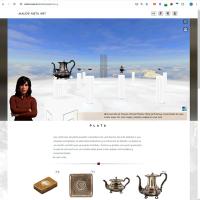
Most museum collections remain hidden, with less than 5% of artifacts on display. Digital archives help but often feel like cold databases rather than curated exhibitions. META(art) transforms this experience, turning stored artifacts into interactive, immersive exhibits within virtual museum halls—bringing emotion and storytelling back to digital collections.
Custom Virtual Spaces for Unique Exhibitions
 Why limit exhibitions to ordinary rooms when digital spaces offer endless creative possibilities? With the META(art) platform, museums can design custom virtual halls—from classic galleries to futuristic dreamscapes. Thanks to Unreal Engine, every detail, from lighting to architecture, is fully customizable. Step beyond reality and create immersive, unforgettable art experiences that truly bring exhibitions to life.
Art Therapy in the Digital Age
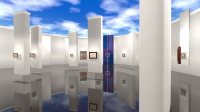 Art has a profound impact on mental and physical well-being, but not everyone can visit a museum in person. META(art) helps bridge this gap by bringing art therapy into the digital space. High-fidelity digital twins of artworks and museum halls allow patients to experience cultural engagement from anywhere—on smartphones, laptops, or large TV screens. This is a simple yet powerful way to make art’s healing power accessible to those who need it most.
A Digital Solution to Museum Security Risks
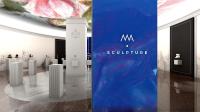
Traditional museums face ongoing challenges—art theft, degradation, and the risks of transportation. While physical security measures help, they aren’t foolproof. The META(art) platform by Art-Lab enhances protection with digital preservation, ensuring that cultural artifacts remain secure, accessible, and immune to physical damage. Can hybrid models combining digital and physical preservation be the key to safeguarding cultural heritage for future generations?
Will Virtual Museums Replace Museum Professionals?
 As virtual platforms like META(art) redefine how we engage with art and cultural heritage, a pressing question arises: do these innovations threaten the roles of museum professionals, or do they open up new avenues for collaboration and accessibility? At Art-Lab, we believe the future of cultural preservation lies not in replacing tradition but in enhancing it. Let’s explore how virtual museums like META(art) work hand-in-hand with experts to shape a more inclusive and innovative cultural experience.
Digital Museums: Let’s Stop Copying Real-World Rules
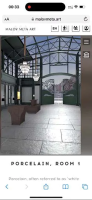 Why force virtual museums to mimic real-world rules? Let’s focus on intuitive design, not overcomplicated avatars and awkward navigation.
Key Features and Advantages of META(art)
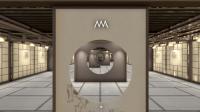 Digital technology is transforming how audiences access and engage with historical artifacts and artistic works. Platforms like META(art) address challenges in accessibility and preservation by allowing global audiences to interact with high-fidelity digital models through a browser, requiring no specialized equipment.
VR Museums: No Extra Costs, Just Pure Magic!
 By the way, with our META(art) platform, it’s super simple: you create a digital web museum, and a VR version just happens — no extra costs. Pure tech magic! 😀 Of course, the web version has a much wider audience, but fans of VR headsets? They’re incredibly loyal and dedicated. And honestly, how can you not be, when you put on those VR goggles, stroll through the halls, and the experience becomes so much more immersive!
 The digital generation demands fast, accessible, and engaging online learning tools. Art-Lab's META(art) platform delivers a seamless educational experience that can be accessed directly through any web browser, eliminating the need for specialized equipment or software installations.
Protecting Art in Uncertain Times: A Digital Solution
 Recent high-profile protests in museums have exposed the vulnerability of cultural treasures while igniting a broader conversation about preserving art in a changing world. As physical spaces face disruptions, the META(art) platform offers a secure, virtual alternative—ensuring masterpieces remain accessible, safe, and inspiring for all.
Who has the right to experience art?
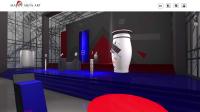 The question of who owns art has long been central to discussions on cultural heritage. Yet, in an age of technological transformation, a more urgent question emerges: Who has the right to experience art?
VR: Amazing, But Not Quite Ready for Museums
 We believe in VR’s potential, but for now, photorealistic browser-based digital museums are the most practical and accessible solution.
 Physical museums have long served as essential spaces for cultural engagement, offering opportunities for reflection, learning, and discovery. However, traditional visits are often shaped by fixed external conditions—crowds, noise, lighting, and limited hours—which can restrict how visitors experience art and history.